Educational Puzzles & Children’s Creative Art Products Buying Guide
2026/07/28
Tookyland
Choosing the right toys and art supplies for children is far more than a random shopping decision. High-quality educational puzzles and creative art products act as powerful tools for early childhood development, laying a solid foundation for kids’ brain growth, hands-on skills, and aesthetic cultivation. However, with countless products flooding the market, ranging from various puzzle types to diverse art DIY kits, parents, kindergarten teachers, early education practitioners, and bulk buyers often struggle to pick safe, age-appropriate, and truly educational products.
This comprehensive buying guide is designed to solve this dilemma. We will break down the core value, key selection criteria, age-based recommendations, common pitfalls, and maintenance tips for children’s puzzles and creative art supplies, helping you make smart, child-centered purchasing decisions for kids’ long-term comprehensive growth.
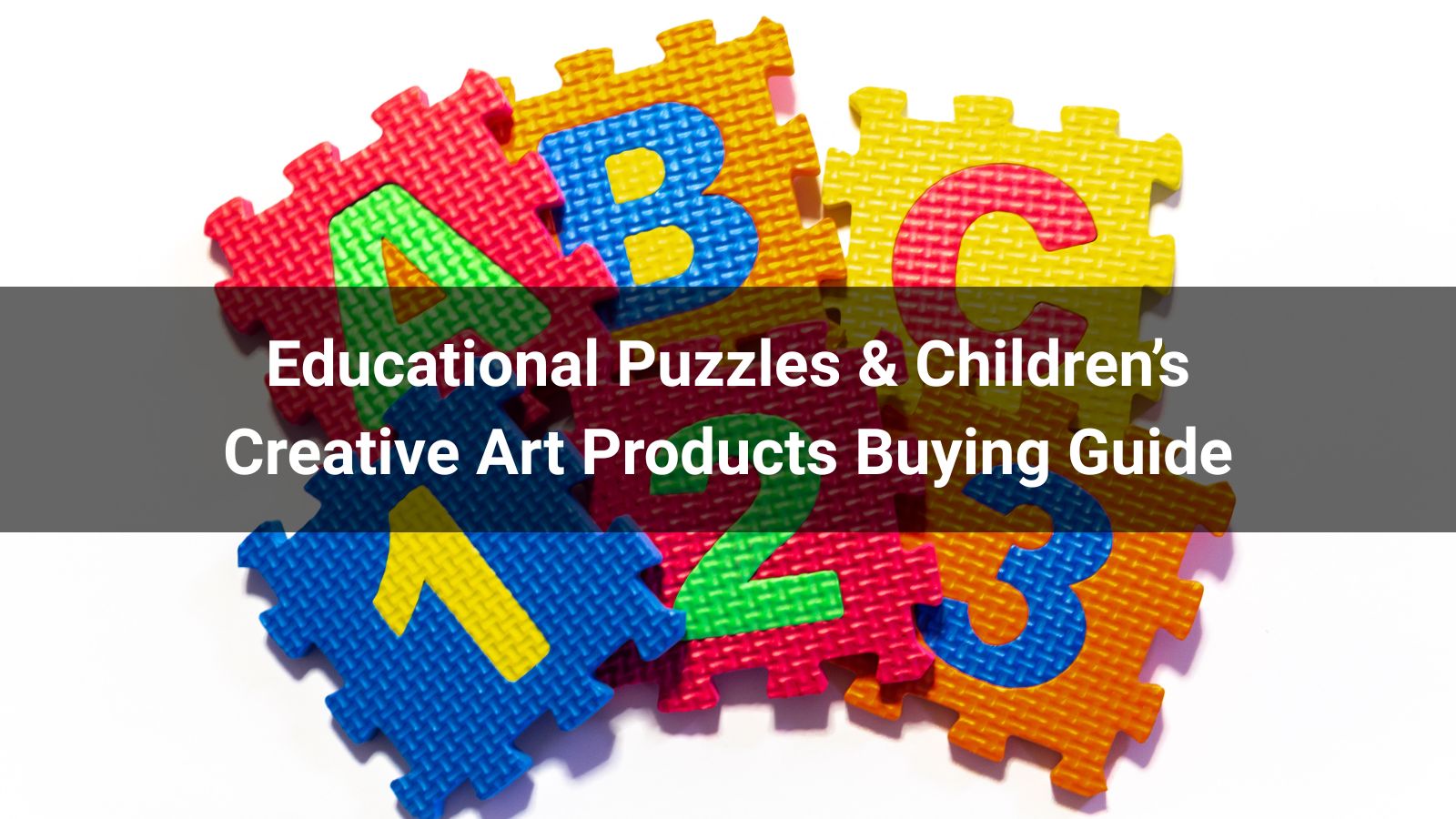
Why Educational Puzzles & Art Products Matter for Kids
Early childhood is a critical stage of cognitive, physical, and emotional development. Unlike ordinary entertainment toys, educational puzzles and creative art products combine fun with learning, turning playful time into effective enlightenment time.
Educational puzzles focus on training kids’ logical thinking and cognitive abilities. Through assembling, reasoning, and problem-solving, they help children enhance concentration, spatial imagination, patience, and independent problem-solving skills. On the other hand, creative art products including painting sets, playdough kits, and DIY handicrafts unlock children’s imagination and creativity. They improve kids’ color recognition, hand-eye coordination, and fine motor skills, while serving as a great way for children to release emotions, reduce stress, and express their inner thoughts freely.
Product Classification & Core Educational Benefits
1. Children’s Educational Puzzles
Educational puzzles come in diverse styles to fit different developmental needs of kids. The most popular types include classic jigsaw puzzles, 3D stereoscopic puzzles, logic training puzzles, eco-friendly wooden puzzles, and math enlightenment puzzles. Each type targets specific developmental goals:
Flat jigsaw puzzles cultivate patience and concentration; 3D puzzles boost spatial thinking and structural cognition; logic and math puzzles lay a foundation for early mathematical reasoning and logical analysis. Consistent puzzle play effectively exercises children’s thinking flexibility and cultivates their ability to persist in solving problems when facing difficulties.
2. Kids’ Creative Art Products
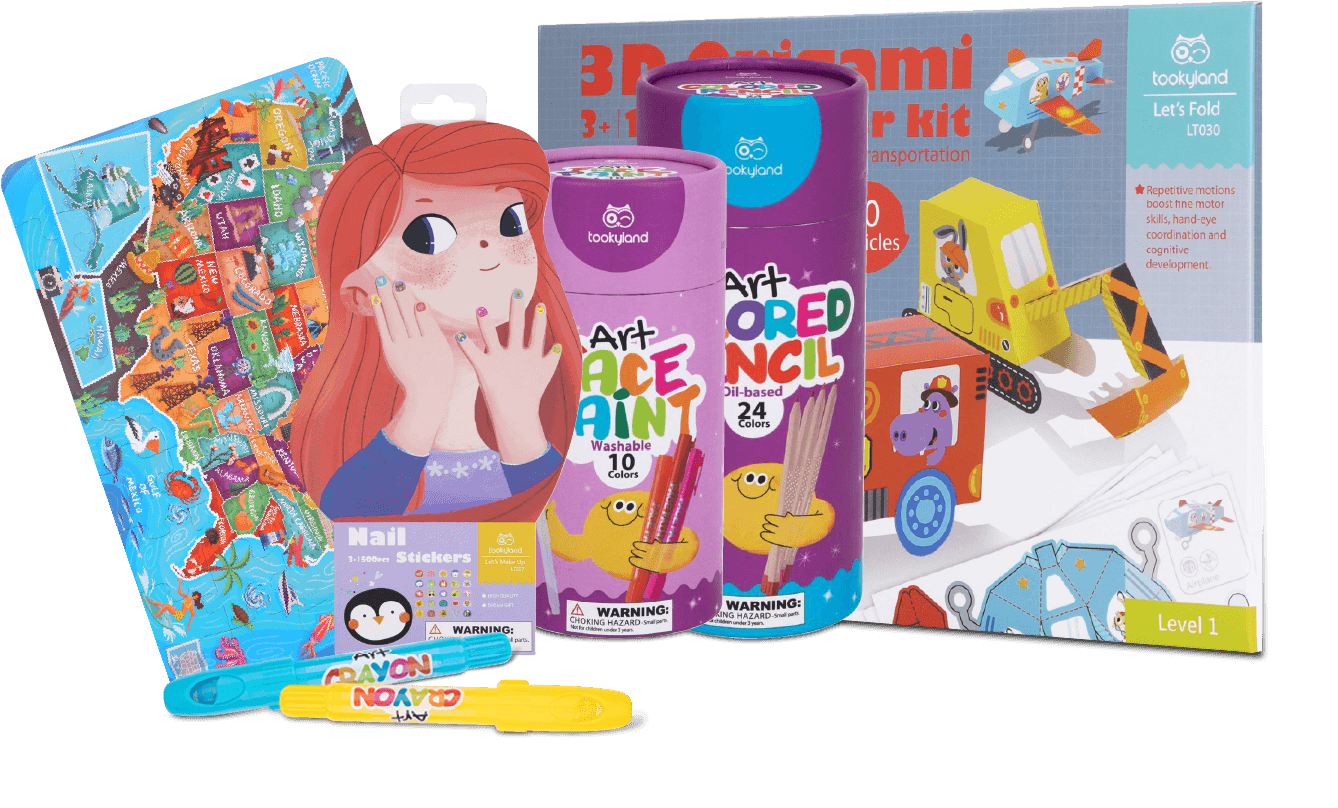
Creative art supplies cover a wide range of kid-friendly products, such as complete painting sets, soft clay and playdough tools, themed DIY handicraft kits, decorative sticker sets, and watercolor graffiti supplies. These art-focused products are essential for children’s aesthetic and creative development.
Free painting and graffiti help kids perceive colors and cultivate aesthetic taste; clay and DIY handicraft making improves hands-on coordination and operational precision; various creative kits encourage children to brainstorm and create unique works. Beyond ability cultivation, art creation also provides a relaxed way for kids to vent emotions, bringing joy and a sense of accomplishment.
Core Buying Criteria: Safety, Suitability, Quality & Value
When purchasing children’s puzzle and art products, blindly following trends or low prices is never advisable. The following four core criteria are the key to selecting high-quality, child-friendly products.
Priority 1: Absolute Safety
Safety is the bottom line for all children’s products, which covers materials, structure, and official certifications. First, opt for products made of non-toxic, eco-friendly raw materials that are free of BPA, lead, and formaldehyde, avoiding harmful substances that may irritate kids’ skin or respiratory system. Second, check the structural design: all edges should be smooth and polished, with no sharp corners. Products must have no tiny detachable parts that pose a choking hazard, and the overall structure and stitching should be firm and durable enough for frequent kid use. Third, prioritize products with authoritative safety certifications, including international CE and CPC certifications and domestic GB 6675 safety standards, to ensure compliant and reliable quality.
Priority 2: Age & Developmental Appropriateness
Children’s cognitive level and motor skills vary greatly at different ages. Products that are too simple will lack educational value and make kids feel bored quickly, while overly complex products will bring excessive frustration, dampening their interest in learning and creation. The best choice is to match the product’s difficulty, complexity, and operational requirements with children’s current cognitive and motor development stages, ensuring kids can learn and progress gradually in play.
Priority 3: Educational & Practical Value
Excellent kids’ products integrate knowledge and fun perfectly. Qualified puzzles and art supplies should have obvious enlightenment attributes, covering basic cognition of numbers, colors, shapes, logic, and daily life. Meanwhile, high playability and reusability are essential: products with durable materials and diverse gameplay can avoid one-time entertainment and extend the learning cycle. In addition, products that support parent-child interaction and group cooperative play are more valuable, helping strengthen parent-child relationships and cultivate children’s teamwork awareness.
Priority 4: Reliable Quality & Cost Performance
Good workmanship determines product durability and user experience. Premium puzzles feature precise cutting, clear patterns, non-fading printing, and wear resistance; formal art supplies have uniform color rendering, safe pigments, and sturdy accessories. When evaluating cost performance, do not equate high price with high quality. It is necessary to comprehensively judge whether the price matches the product’s material, workmanship, educational attributes, and service life. Meanwhile, refer to brand reputation, real user word-of-mouth, and after-sales service quality to avoid unreliable products with empty marketing hype.
Age-Based Product Selection Guide
To make purchasing easier, we have sorted out targeted product recommendations according to children’s age stages and developmental characteristics.
2–4 Years Old (Toddler Stage)
Toddlers are in the initial stage of cognitive and motor development, with weak hand control ability and high safety risks. Priority should be given to ultra-safe, simple products: large-piece jigsaw puzzles that are not easy to swallow, soft and non-sticky clay, thick large-grain crayons, and non-toxic sticker sets. The core goal at this stage is to ensure absolute safety and help kids complete basic color, shape, and daily cognition training.
4–6 Years Old (Preschool Stage)
Preschool kids have improved hands-on ability and cognitive level, and are eager for more challenging gameplay. It is suitable to choose medium-difficulty jigsaw puzzles, entry-level 3D stereoscopic puzzles, complete multi-functional painting kits, and themed DIY handicraft sets. Products at this stage focus on exercising fine motor skills, stimulating preliminary creativity, and cultivating kids’ interest in independent creation.
6–12 Years Old (School Age)
School-age children have mature logical thinking and independent operational abilities. They are suitable for high-difficulty logic reasoning puzzles, complex 3D assembly puzzles, professional art creation sets, and themed DIY handmade kits. These products focus on training systematic logical thinking, independent problem-solving ability, and professional creative expression, matching their advanced learning and growth needs.
Common Buying Pitfalls & How to Avoid Them
Many buyers easily fall into misconceptions when shopping for kids’ educational products. Here are the most common pitfalls and practical avoidance tips:
First, do not excessively pursue low prices. Ultra-cheap products often adopt inferior raw materials and rough workmanship, which have potential safety hazards and no educational value. Second, avoid blindly choosing high-difficulty products. Ignoring children’s age adaptability and forcing advanced training will only make kids feel frustrated and resist learning and creation. Third, do not overlook trivial safety details. Always check for peculiar smells, unqualified dyes, and tiny loose parts that are easy to be ignored. Fourth, do not superstitiously pursue brand premiums. Many niche high-quality products have better actual quality than overhyped big brands; always distinguish real product quality from marketing publicity.
Daily Maintenance & Usage Tips
Proper use and maintenance can extend the service life of puzzles and art supplies and ensure long-term safe use. For daily cleaning, wipe wooden and plastic puzzles with a damp soft cloth, and store clay, pigments, and art tools in sealed and dry environments to avoid mildew and deterioration. During use, guide children to operate in a standardized way, avoid violent tearing and collision, and protect product integrity. In addition, regularly check the aging and damage of products: replace faded pigments, deformed puzzle pieces, and worn accessories in a timely manner to eliminate potential safety risks.
Final Conclusion
Selecting suitable educational puzzles and creative art products for children is a valuable investment in their early growth. The core purchasing principles always adhere to safety first, age matching, education orientation, and high cost performance. There is no one-size-fits-all best product, only the most suitable one.
When making purchases, we should comprehensively combine children’s age characteristics, developmental needs, and personal interests. Let interesting puzzles and colorful art creation accompany children’s growth, cultivate their thinking ability, creativity, and aesthetic quality imperceptibly, and lay a solid foundation for their long-term comprehensive development.
Hot Article
-
2026/07/28Educational Puzzles & Children’s Creative Art Products Buying Guide
-
2026/08/14Top 10 German Jigsaw Puzzle Makers and Brands in 2026
-
2026/08/28Top 10 Custom Sticker Sheet Manufacturers and Suppliers 2026
-
2026/08/10Top 10 Jigsaw Puzzle Manufacturers and Companies in Australia 2026
-
2026/08/21Top 10 Educational Toy Manufacturers and Brands Worldwide in 2026
-
2026/07/17Crayon vs Colored Pencil: Which Art Supply Is Better for Kids?
-
2026/08/06Top 10 Custom Sticker Sheet Factories in China 2026
-
2026/08/12Top 10 Chinese Jigsaw Puzzle Manufacturers in 2026
Speak To One of Our Experts
Name can't be empty
Email error!
Message can't be empty
Send Message
People Also Viewed
-
 302026.SepTop 5 Wholesale Children's Craft Suppliers for Bulk Buying in 2026
Compare trusted wholesale children's craft suppliers and find bulk and OEM/ODM options for your business.
View All -
 292026.SepTop 10 Art Stationery Suppliers in 2026: Best Wholesale Options for Retailers
Explore 10 leading art stationery suppliers for 2026, covering wholesale art materials, stationery, kids'crafts, custom products, and OEM/ODM sourcing options for retailers and brands.
View All -
 282026.SepTop 5 Arts and Crafts Wholesalers in UAE 2026
Explore 5 arts and crafts wholesalers serving UAE buyers, covering art materials, school supplies, craft products, bulk orders, and custom manufacturing. Compare their strengths to find the right supplier for your needs.
View All


Let’s Chat. Our Dedicated Support Team is Here to Help
Get a Quote

Tookyland’s portfolio covers creative arts, DIY crafts, and cognitive development toys, supporting key stages of children’s growth.
Contact Us
Building C4, No 11 1000 Lane Yunshan Road, National High-Tech Zone, Ningbo 315040, Zhejiang Province, P. R. China
Copyright © 2026 Tookyland. All Rights Reserved
Get a Quote
Set A Consultation Today
Name can't be empty
Email error!
Message can't be empty